




Texwinca Group is committed to promoting sustainable development as a long-term endeavor, working together to create a future of shared prosperity and mutual success. We have established and are progressively implementing a sustainability framework that integrates key sustainability elements into every aspect of our business operations and management. This framework serves as the guiding principle for formulating the Group's sustainability strategy, built upon six core concepts as the foundation of our sustainable development. The Group comprehensively addresses environmental protection, actively promotes social responsibility, and thoughtfully cares for employee well-being, aligning with the United Nations Sustainable Development Goals (SDGs).




The Group adheres to the mission of upholding integrity and compliance, committed to providing high-quality, environmentally friendly, and sustainable textile products, and creating value for customers through innovation and collaboration. The Group aims to become a global leader in green and intelligent textile manufacturing, driving industrial upgrading through innovation, delivering excellent products and services to customers, and promoting the sustainable development of the textile industry.
Message from CEOEnvironmental:
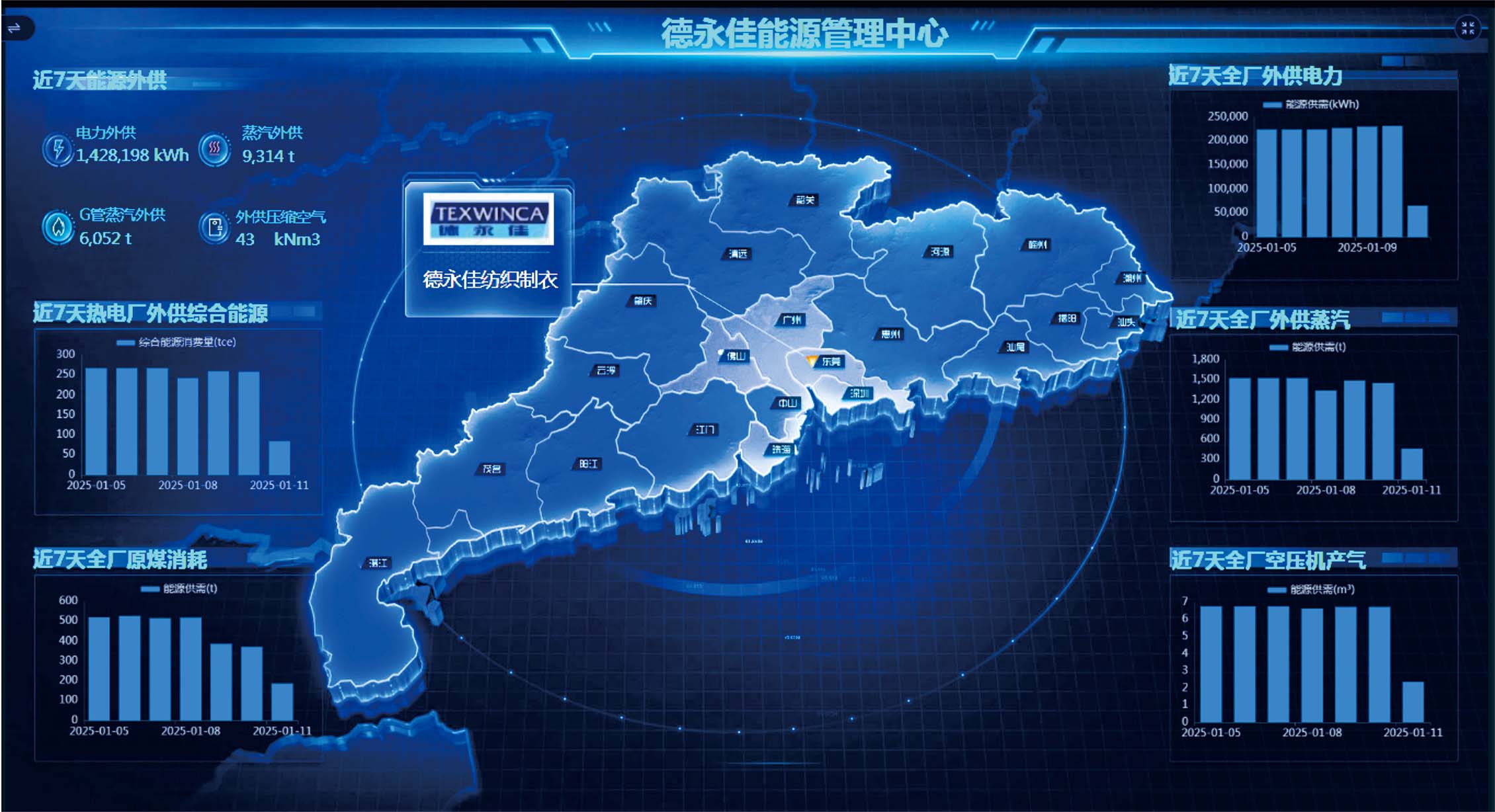
Built a platform for energy management center to achieve real-time monitoring of energy data and improve EHS (Environment, Health, and Safety) management capabilities.
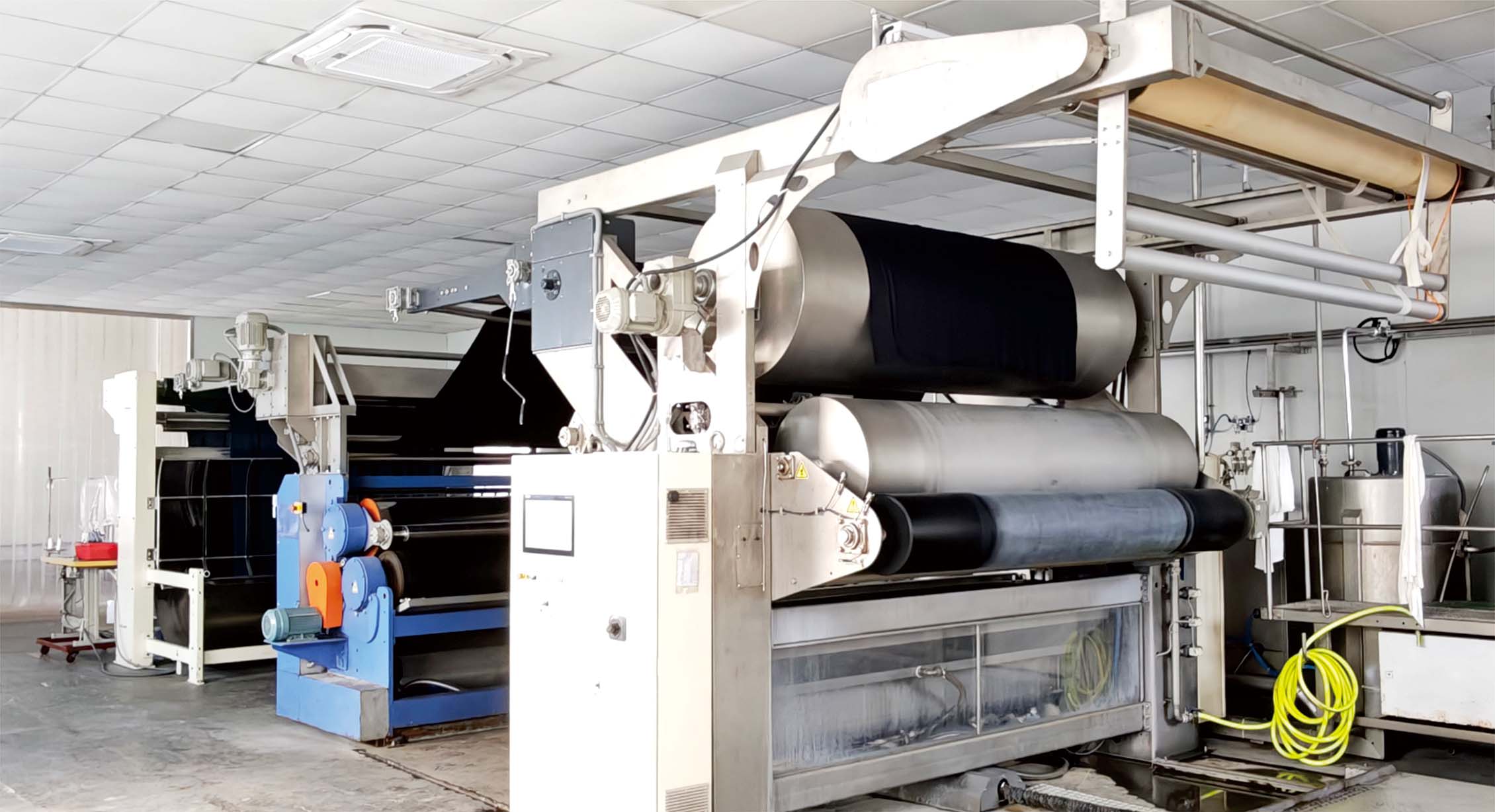
Adopted eco-friendly processes such as low-temperature pretreatment, low-temperature soaping, one-bath dyeing, and water-saving dyeing techniques.
Introduced fully automated sample preparation machines and centralized control automation systems, and completed exhaust gas purification and steam energy-saving upgrades for our stenter machines.

Thermal power plants achieve ultra-low flue gas emissions, and recycled water reuse and reverse osmosis treatment reduce wastewater discharge.
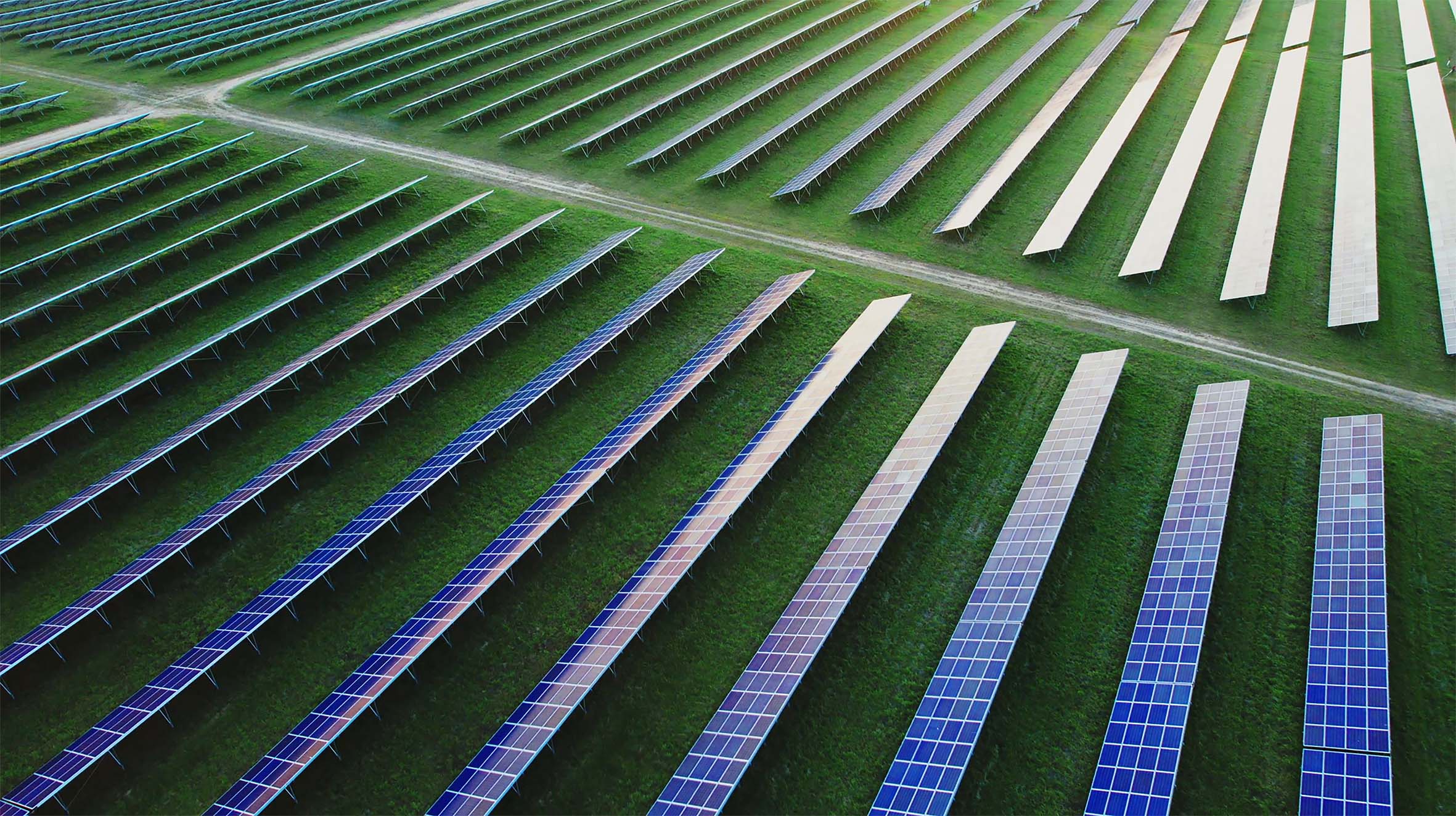
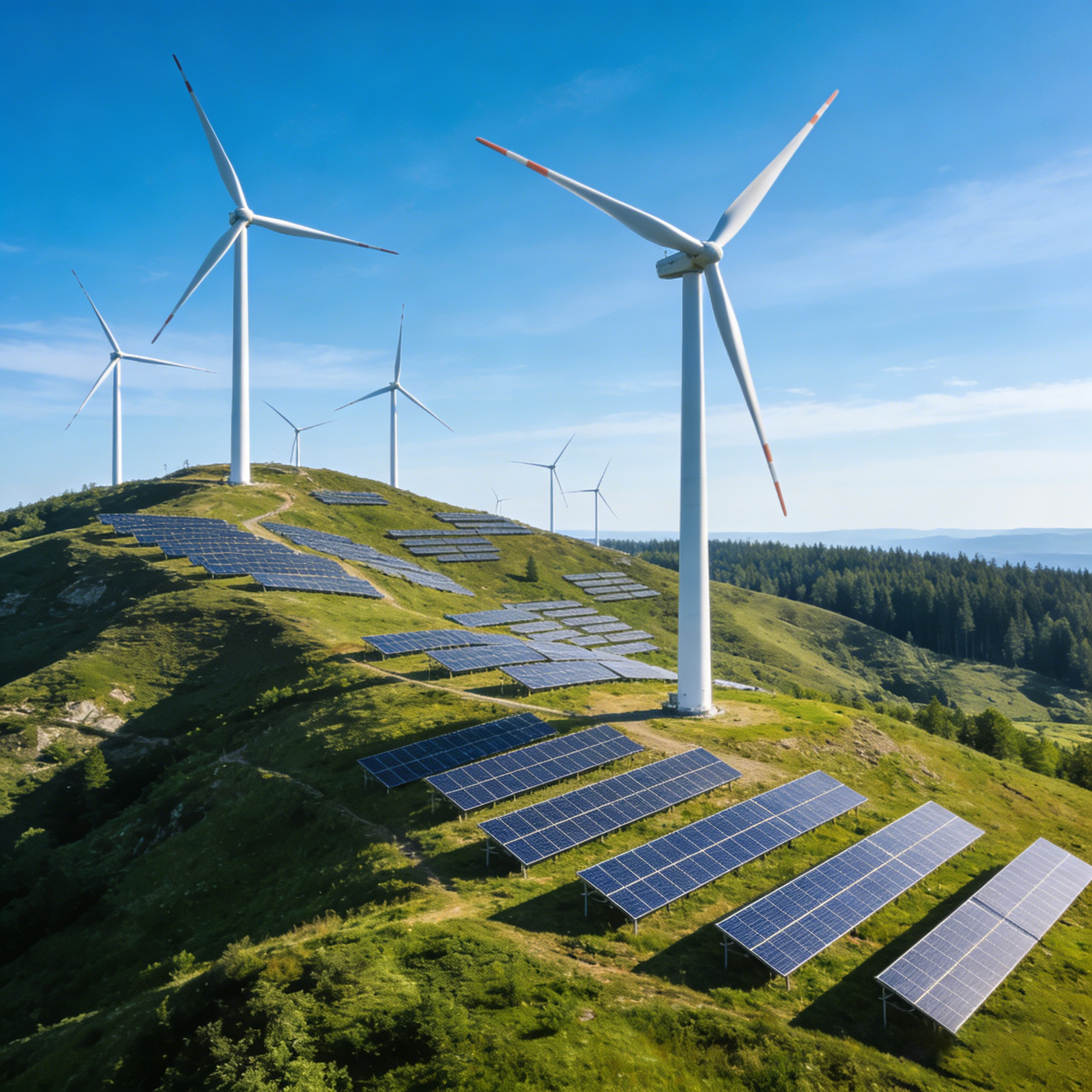
Promoting the construction of photovoltaic power stations, gradually increasing the proportion of renewable energy, and helping the company achieve its energy conservation and carbon reduction goals.
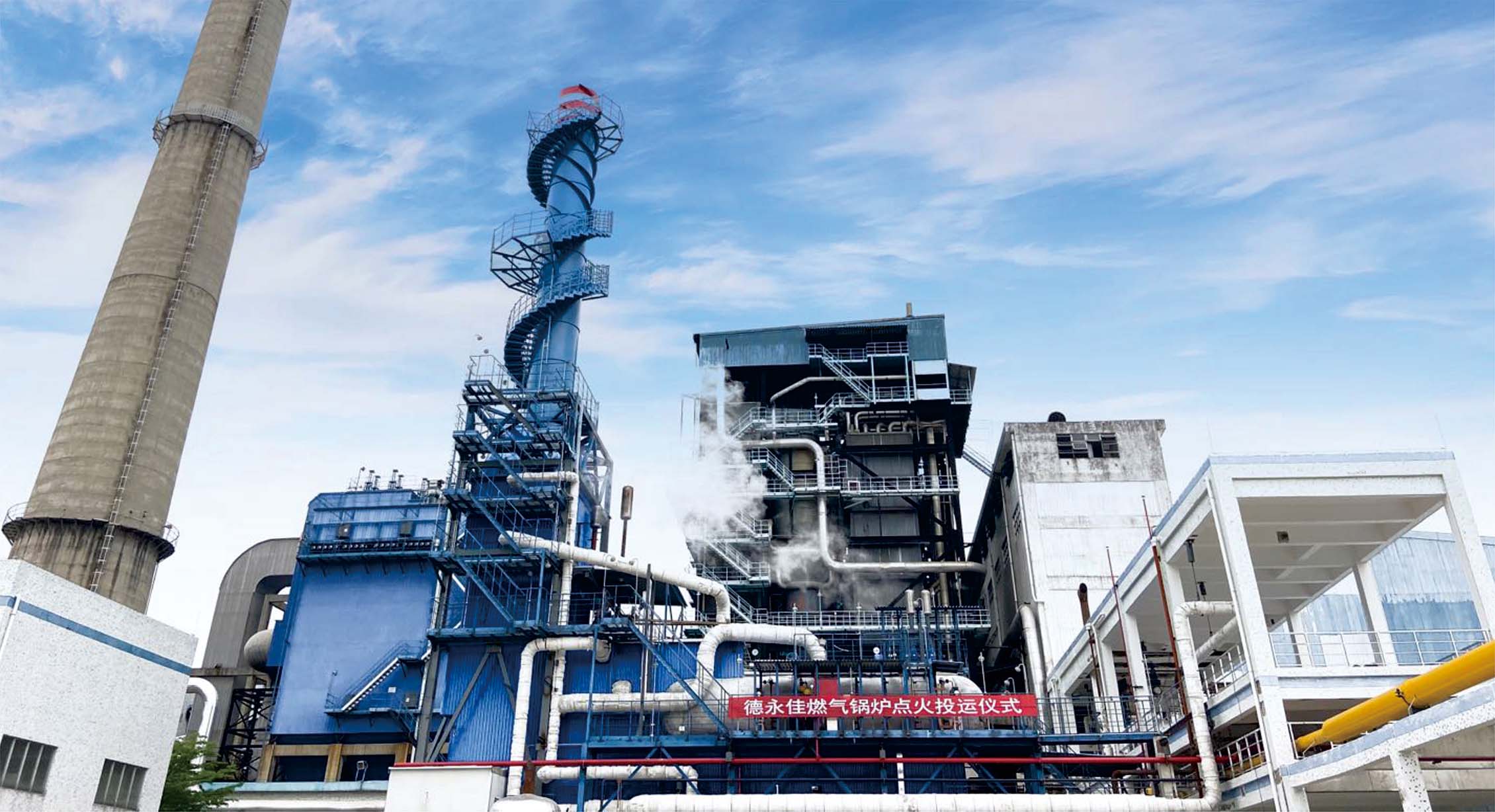
Invested US$36 million to build a 40MW gas turbine + 130T/h boiler to reduce carbon emissions
Reduce absolute Scope 1 and Scope 2 greenhouse gas emissions by 42% by 2030/31 (with 2020/21 as base year)
Social and Governance:

Developed a performance management system to drive cost reduction and efficiency improvements of over 15%, enabling a strategic shift from scale-driven expansion to quality- and efficiency-oriented growth.
By fostering a culture of lean excellence centered on “continuous evolution,” we have successfully embedded lean management practices into 98% of our production units.

Established a learning and development center, hosting over 200 annual training sessions and industry-leading seminars.
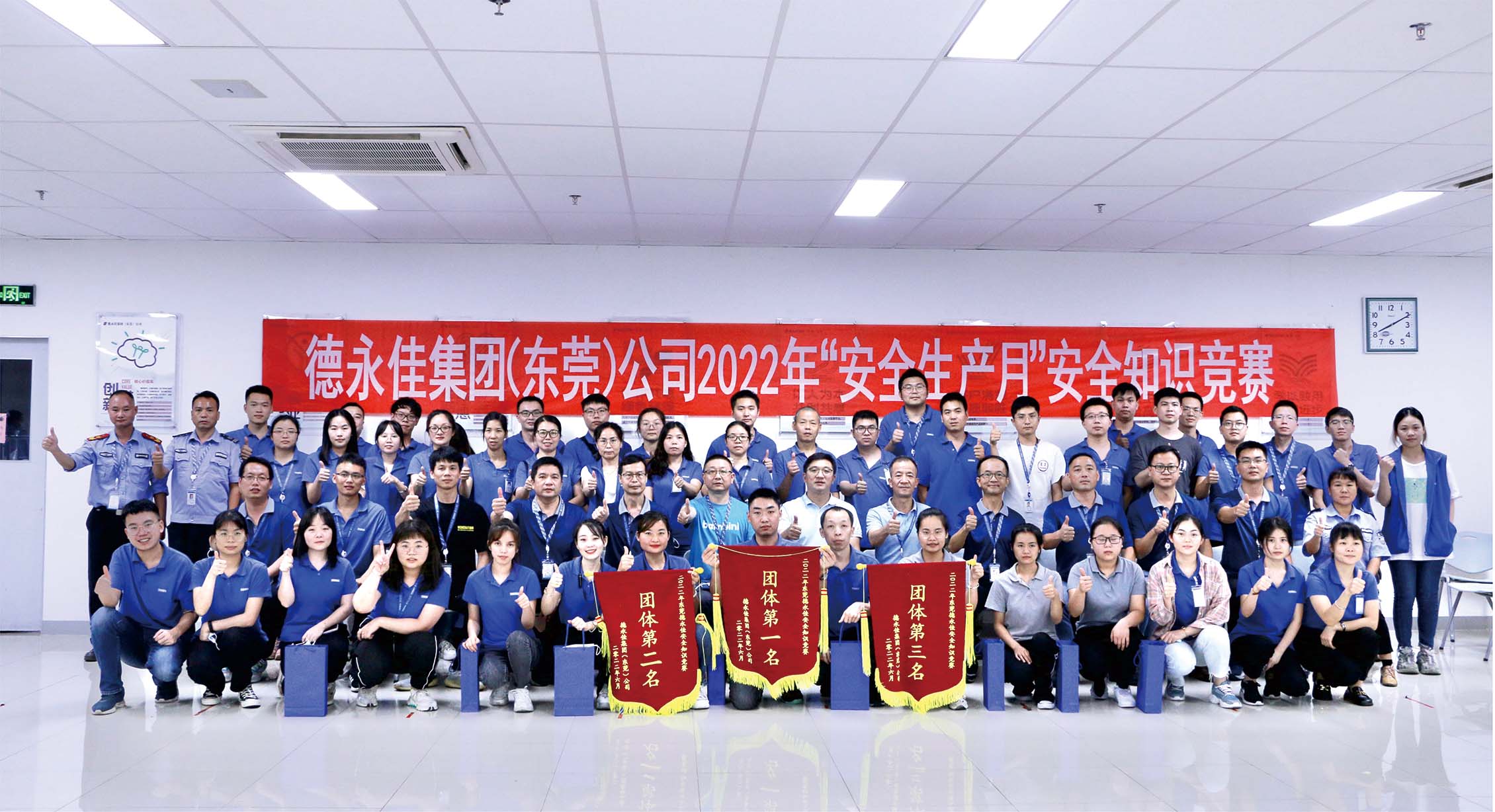
Achieved zero major safety accidents for five consecutive years through safety management system and annual knowledge competition
Our goals encompass environmental, social and governance aspects. We actively take various measures to promote sustainability and commit to achieve corresponding short-term and long-term goals by 2030 or earlier. These goals are aligned with the United Nations Sustainable Development Goals.

42
%Greenhouse gas emissions
Reduce absolute Scope 1 and Scope 2 greenhouse gas emissions by 42% by 2030/31
(with 2020/21 as base year)

35
Effluent
The annual average chemical oxygen demand concentration of sewage in 2030/31 is less than 35mg/L
(for Dongguan Texwinca Factory)
20
%Sustainable energy
Renewable electricity accounts for 20% of total electricity consumption by 2030/31
(for Dongguan Texwinca Factory)
100
%Supply chain management
100% coverage of suppliers and service providers are assessed for corporate social responsibility

100
%Employee training and development
Maintain 100% employee training and conduct anti-corruption training every year

10
%Product responsibility
Maintain no major complaints, with an annual reduction of over 10% in customer grievance rate
Green and low-carbon operation
Implement energy conservation measures, such as using energy-saving lighting systems, strengthening equipment maintenance, and improving energy efficiency

Actively promote green and low-carbon concepts, organize training and support environmental protection public welfare activities
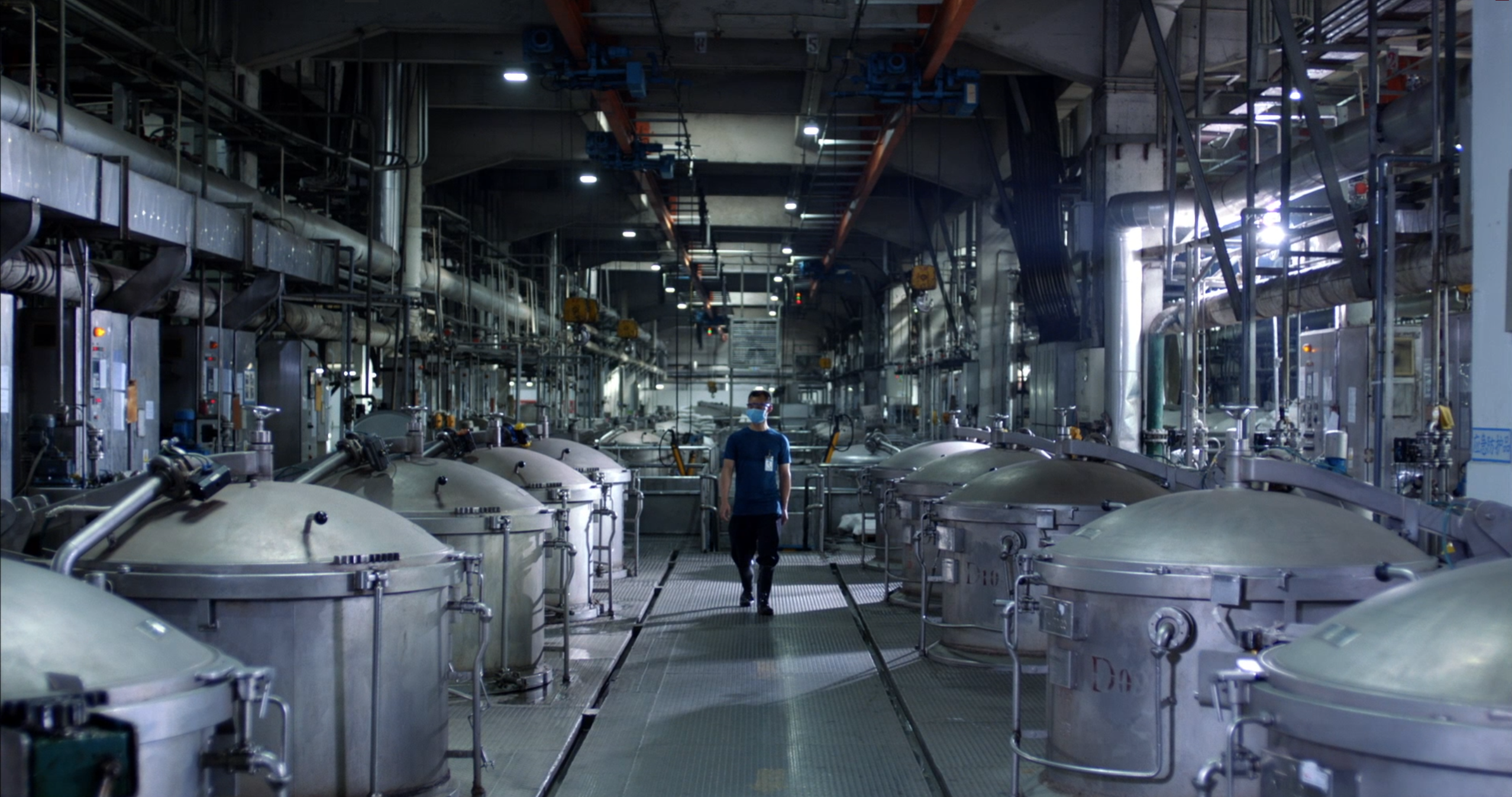
Adopt more new technologies in the bleaching and dyeing processes to reduce energy consumption in textile and garment production
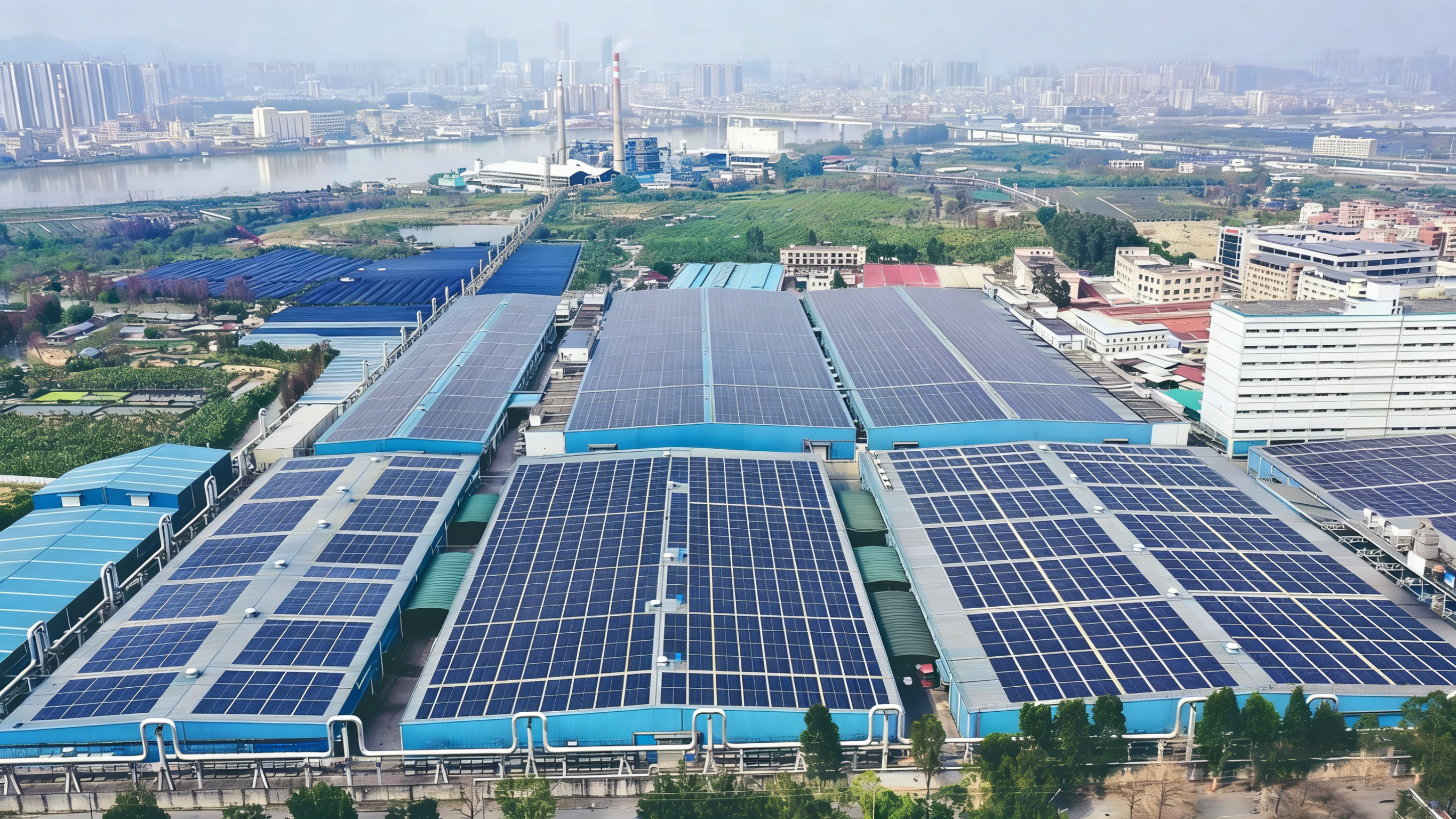
Install solar panels on factory roofs to promote the use of green electricity
Water resources management
We joined the World Wide Fund for nature's FAIS project which aids to assess water use efficiency. By conducting self-assessment, we were able to meet the FAIS requirements and achieved an excellent score (94/100).
Wastewater management
In accordance with ZDHC guidelines, we conduct annual wastewater compliance testing.
Since 2013, our wastewater testing has consistently passed standards and met the latest ZDHC MRSL requirements.
In addition, our online wastewater discharge monitoring system uploads results every two hours in real time, and is monitored online by the Environmental Protection Bureau.
Waste management
Encourage customers to reduce the use of plastic shopping bags.
Return old cardboard boxes from our retail stores to our warehouse for recycling.
Recycle old metal furniture and computers to reduce resource waste.
Texwinca has been committed to fulfilling its corporate social responsibilities by actively engaging in charitable initiatives, caring for the underprivileged, supporting and sponsoring educational and environmental protection activities. We are dedicated to organising a variety of activities and training programs to enhance employees' professional skills, promote team spirit, and strengthen their sense of belonging to the Company.

Community

Employees
Advocate green products
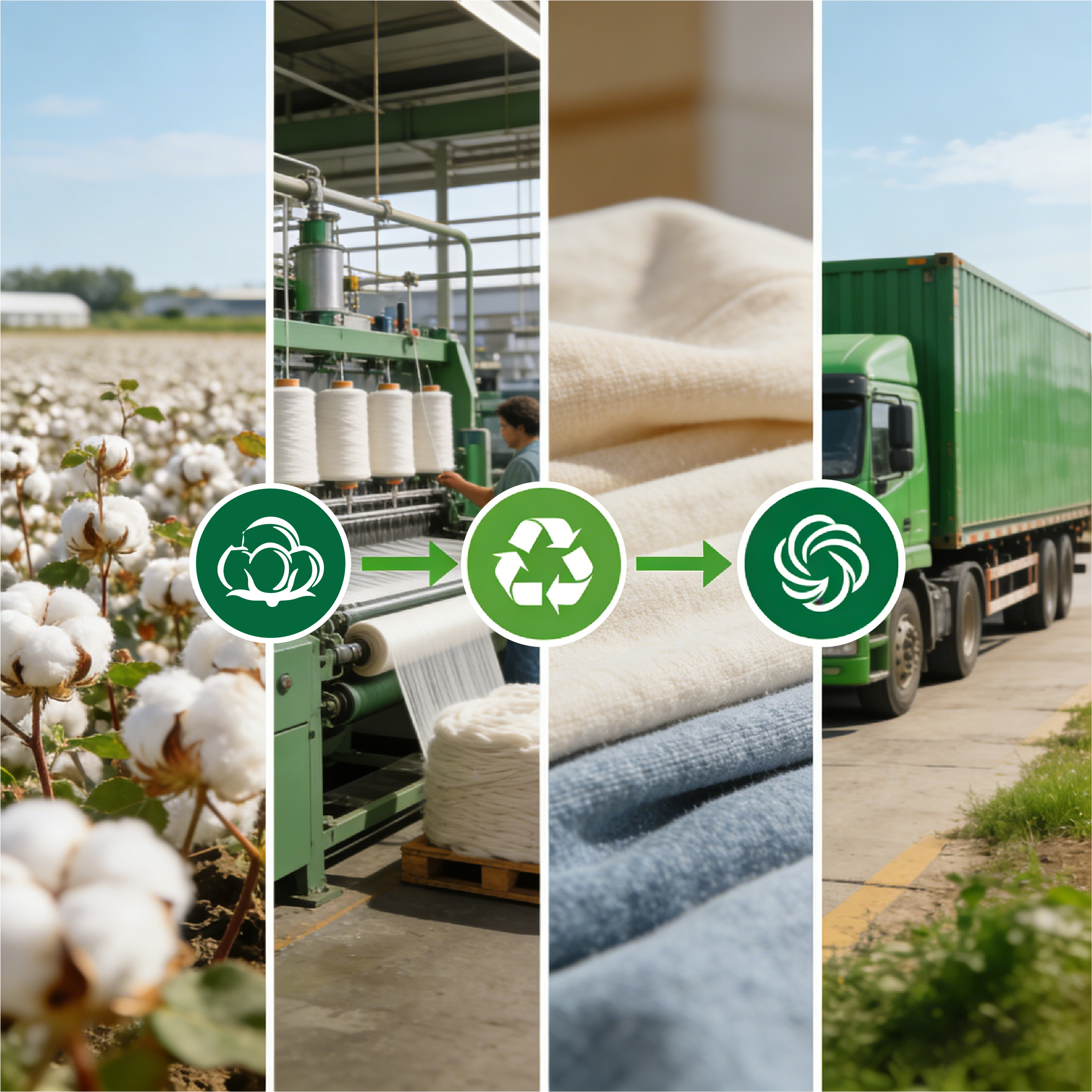
We offer and promote a range of products made with recycled fabric materials to enhance the overall reuse rate of textile resources. One of the measures is to increase the reuse of spinning waste materials for reducing consumption of cotton. Meanwhile, we continuously carry out product carbon footprint initiatives to increase the proportion of green products.
Corn Fermentation
37% Bio-based
Reduce Carbon Emissions
Shape-Retaining Comfort & Stretch
Rayon
Recycled Waste Clothing
FSC Certified
Degradable
Soft and Skin-friendly
Renewable Plant Fermentation
48% Bio-based
Low Water & Energy Consumption
Low Carbon Emissions
Industrial Waste Gas as Raw Material
30% Bio-based
Reduced Carbon Emissions
Moisture-Permeable and Breathable
Waste Textiles as Raw Material
Reduced Environmental Impact
Recycling - Regeneration - Circulation
Traceable